
Our fabrics
We work with fabrics with a story behind, this could be due to its origin or the way they have been weaved and in any way this will be part of the final result. We are using four different types of fabrics: Japanese cotton prints, Uzbek Ikat silk, African wac and Australian cotton prints, each coming from different countries and cultures, bringing added value to each one of your items, differentiation. In addition, the whole elaboration process is handmade from scratch. We only create limited editions. You will never find two identical items as the fabric’s patterns make them all different. We are willing to guarantee a personalized final result for each client.
African wax prints
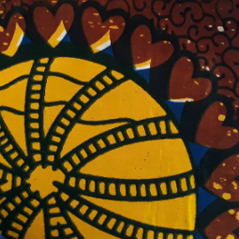
Japanese Fabrics
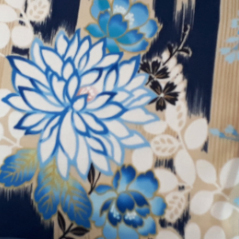
Ikat Fabrics
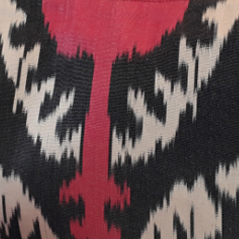
Australian Fabrics
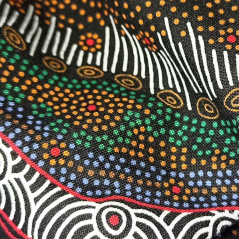
African Fabrics
They are also called Wax Fabrics. These 100% cotton fabrics are dyed in wax printing colours on both sides to get a better fixation. For the Africans, textile became an element of non-verbal communication. Depending on the type of drawing or colour background, they could transmit messages.
Ikat Fabrics
This type of fabric is called Ikat, which means knot. Its main characteristic is its symmetrical pattern. Achieved thanks to the weaving technique used, this being one of the most laborious weaving techniques in the world. The first thing to do is to dye the threads before weaving, making knots in the parts that we do not want to dye. In this way, as we weave them, little by little, those characteristic patterns are formed. In Ayramile we work with 75% silk and 25% cotton fabrics.
Japanese Fabrics
Japanese fabrics are 100% cotton. They stand out for their printed patterns with different motifs, floral, animal, geometric, etc. All of them have symbolic associations that appear in Japanese rituals, clothing, and art. These meanings have continued to be maintained even as Japanese society has changed.
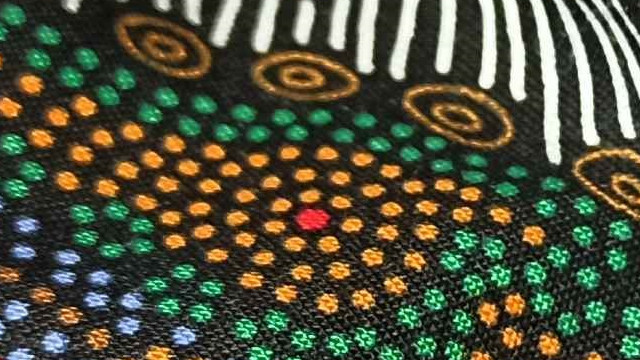
Australian Fabrics
The Australian fabric is 100% cotton. Used by Australian Aborigines to portray their Dreamtime, which according to their mythology is the world´s creation. New stories drown in each cloth. These stories are being transmitted from generation to generation. They express and communicate all the indispensable and necessary knowledge for the day-to-day life of the Aboriginal community.